IMPACT SPOTLIGHT
Every investment in education and research is an investment in the future of orthotic and prosthetic care.
Through the support of our donors and partners, The O&P Foundation is proud to uplift the next generation of clinicians, researchers, and innovators.
In our Impact Spotlight series, we share the inspiring stories and professional journeys of past funding award recipients – individuals whose passion, perseverance, and purpose are shaping the future of O&P.
From critical research to patient-centered clinical care, these voices represent the promise of our profession.
Follow along as we celebrate the impact of your support and the remarkable individuals behind it.
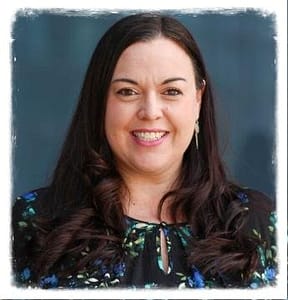
Dr. Sions is an Associate Professor at the University of Delaware in the Department of Physical Therapy. She obtained her Master of Physical Therapy from West Virginia University, her Doctor of Physical Therapy from Temple University, and her PhD in Biomechanics and Movement Science from the University of Delaware. Dr. Sions has been a licensed and practicing physical therapist for 20 years, and a Board-Certified Specialist in Orthopaedic Physical Therapy for 16 years.
She is a founder and Director of the University of Delaware’s Interdisciplinary Outpatient Limb Loss Clinic. The clinic has enabled hands-on training of 14 residents and more than 150 physical therapy students, helping to combat the national shortage of providers with post-amputation care experience, while modeling the benefits of collaboration between prosthetists and physical therapists in patient care and research.
Dr. Sions is the Principal Investigator of the Delaware Limb Loss Studies research laboratory, which is focused on improving health following amputation through advancement of research in the areas of outcomes assessment, comorbidity screening, and post-amputation pain. She has published over 60 scientific papers and been involved in over 150 scientific presentations. Dr. Sions is also faculty in the interdisciplinary Biomechanics and Movement Science PhD Program. In response to the profession’s need for CPO-PhDs to inform evidence-based clinical care, she spearheaded the development of the Prosthetics-Orthotics Clinical Practice and Biomechanics and Movement Science PhD Dual Training Track.
She is currently mentoring CPO-PhD students within this track and serves as a prosthetics-orthotics residency research mentor. She provides input on national and international initiatives to enhance post amputation care and research, and she serves on the National Commission of Orthotic and Prosthetic Education’s Board of Directors as their public member.
“Honestly, I don’t think I would have a funded lower-limb loss line-of-research if it weren’t for my first OPERF/O&P Foundation award.”
Why did you apply for these grants and what impacts did they have on you?
The first OPERF/O&P Foundation award I applied for was to collect pilot data on sensors for activity monitoring among individuals with lower-limb loss. Up until this point, my funded research had been in low back pain and this grant provided funding to start a new research program in lower-limb loss.
The 2nd OPERF/O&P Foundation award funded my first clinical trial, which was conducted in prosthetic clinics. While I had been involved in low back pain rehabilitation clinical trials up until this point, this was my first funded clinical trial as a principal investigator. The focus was on screening and referral feasibility.
How did the funding help you meet your goals?
The 1st award allowed us to establish validity of activity monitoring for assessment of physical activity among adults with lower-limb loss, which was critical for subsequent work in submitted funded grants.
The 2nd study will provide pilot data to support a larger clinical trial seeking to demonstrate the value that prosthetists may offer in terms of screening and referral as part of the interdisciplinary care team.
How did the funding impact your career?
This award was critical for pilot data supporting projects that have followed. Through presentation of this OPERF/O&P Foundation work and the research that has followed, I have found a second home in the prosthetics-orthotics community for research collaboration and continued career growth.
What did the funding mean to you personally?
The funding from these awards has helped to create the research infrastructure necessary for larger-scale clinical research, e.g., longitudinal studies and clinical trials, given that individuals with lower-limb loss are challenging to recruit and require a team-based approach for participant retention and successful project completion.
Tell us a little more about your current work.
Currently, my research laboratory, the Delaware Limb Loss Studies, is exploring mechanisms underlying the higher prevalences of low back pain and cardiovascular conditions among adults with lower-limb amputation when compared to the general population, as well as factors that influence patient trajectories following lower-limb amputation.
My research laboratory is also focused on training clinician scientists, that is, individuals who are certified prosthetists-orthotists, and desire to maintain an active clinical practice while pursuing formal research training through obtaining their PhD in Biomechanics and Movement Science.